Steel fabrication companies in the UAE need reliable equipment to maintain weld quality, improve production efficiency, and meet demanding project deadlines. From structural steel assemblies to industrial tanks and fabricated metal components, choosing the right automation system can influence productivity, operating costs, and final product quality.
However, purchasing welding automation equipment involves more than comparing machine prices or advertised welding speeds. Fabricators must consider material compatibility, production volume, workpiece handling, safety, and after-sales support.
Working with an experienced Welding Automation Equipment Supplier in UAE can help you identify equipment that matches your workshop requirements and long-term production goals.
1. Identify the Right Welding Automation Equipment
The first step is to determine which equipment best suits your fabrication process. Different applications require different levels of automation.
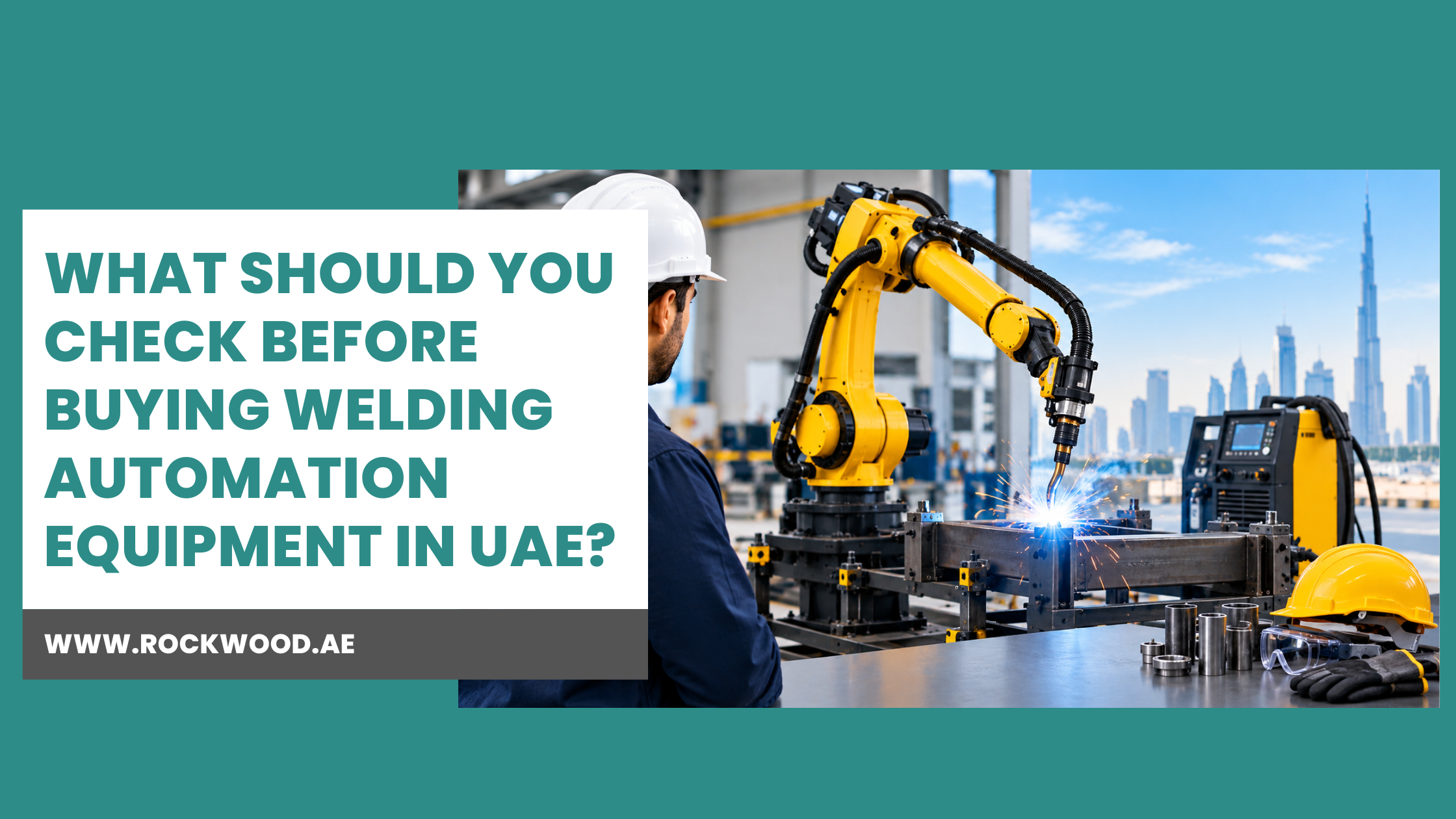
Robotic welding systems are suitable for repetitive components and consistent weld paths. Automated welding systems can help standardise production, while positioners and rotators improve workpiece access and handling.
For example, workshops manufacturing cylindrical tanks, pressure vessel components, and pipes may benefit from welding rotators. Fabricators producing frames, brackets, and assemblies may find welding positioners useful for presenting joints in suitable welding positions.
Before purchasing, evaluate your component dimensions, material thickness, weld types, production volume, and required level of automation.
2. Check Material Compatibility and Welding Requirements
Not every automated welding system is suitable for every metal or joint configuration. Confirm that the proposed equipment supports your material grades, thickness range, welding process, and required weld quality.
Important considerations include:
- Material type: Carbon steel, stainless steel, and aluminium may require different process settings and consumables.
- Joint configuration: Butt welds, fillet welds, and circumferential seams have different access and positioning requirements.
- Material thickness: Welding parameters and equipment capacity must match the application.
- Joint preparation: Consistent edge preparation, alignment, and fit-up help maintain repeatable results.
For projects involving structural steel or other regulated fabrication, confirm the applicable welding procedures, inspection requirements, and acceptance criteria before selecting the machine.
3. Evaluate Production Speed and Capacity
One of the main reasons to invest in automation is to improve production output. However, advertised welding speed does not necessarily reflect the number of completed components a workshop can produce per shift.
Actual production time includes loading, clamping, positioning, welding, inspection, unloading, and changeovers.
Ask your supplier to demonstrate the proposed equipment using a representative component. Compare the existing process with the automated system under equivalent conditions.
For a meaningful evaluation, record:
- Welding time per component.
- Total cycle time, including handling.
- Accepted components per shift.
- Finishing and rework time.
- Operator hours per production batch.
These measurements provide a more reliable basis for estimating productivity improvements than maximum travel-speed figures alone.
4. Consider Welding Rotators for Cylindrical Fabrication
For workshops manufacturing tanks, pipes, cylindrical vessels, and other round components, Welding rotators can improve workpiece positioning during welding.
A typical system uses powered rollers to rotate a cylindrical workpiece, allowing the welder or welding head to maintain a more consistent working position along a circumferential seam.
Before purchasing, check the following specifications:
- Minimum and maximum workpiece diameter.
- Maximum load capacity and roller contact requirements.
- Rotation speed and adjustment range.
- Compatibility with the workpiece material and surface.
- Control options, drive arrangement, and maintenance access.
Ensure that the rotator’s rated capacity and operating configuration are suitable for the actual load, including any relevant support and stability requirements.
5. Select the Right Welding Positioner
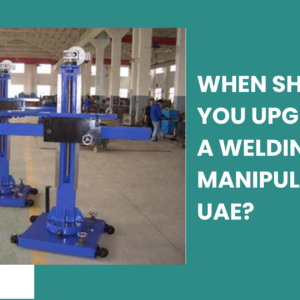
A Welding positioner can help fabrication workshops rotate or tilt components into more accessible welding positions. This is particularly useful for brackets, frames, flanges, and assemblies with multiple joints.
Suitable positioning can reduce awkward working angles and help maintain consistent torch access. However, a positioner does not automatically improve weld quality; correct setup, qualified procedures, and operator control remain essential.
Check the table diameter, payload, centre-of-gravity limits, tilt angle, rotation speed, and fixture compatibility. For automated applications, confirm whether the positioner can integrate with the robot or welding control system.
6. Assess Automated Stud Welding Requirements
Stud welding is used to attach compatible threaded or unthreaded studs to metal components. It is common in applications involving structural connections, sheet-metal assemblies, electrical enclosures, and selected building components.
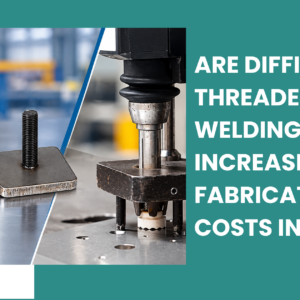
When evaluating Automated Stud Welding Machines, consider stud diameter and material, base-metal thickness, production rate, feeding arrangements, and access to the welding surface.
Automatic feeding can reduce manual handling in repetitive production, but the system must be matched to the required stud type and application. Confirm the manufacturer’s operating limits and the project’s requirements for weld inspection and testing.
7. Check Safety, Utilities, and Workshop Compatibility
Welding automation equipment introduces operational requirements that should be assessed before installation.
Confirm the available electrical supply, connected load, compressed-air requirements, cooling needs, ventilation, and extraction arrangements. UAE workshops should also consider the manufacturer’s specified operating temperatures, dust management, and equipment cooling requirements.
Safety planning should cover moving machinery, pinch points, welding radiation, fumes, hot surfaces, emergency stops, guarding, and operator training. Complete an appropriate risk assessment before commissioning the system.
8. Calculate the Total Cost of Ownership
The purchase price is only one part of the investment. Include installation, fixtures, programming, training, consumables, maintenance, spare parts, downtime, and any required workshop modifications.
A simple payback calculation is:
Payback period = Initial investment ÷ Monthly net savings
For example, an investment of AED 120,000 with verified net savings of AED 10,000 per month would have a simple payback period of 12 months. This is an illustrative calculation, not a guaranteed return. Actual savings depend on production volume, utilisation, and additional operating costs.
9. Verify Supplier Support Before Purchasing
Choose a Welding Automation Equipment Supplier in UAE that can help assess your application, explain machine specifications, and provide suitable technical support.
Ask about installation, commissioning, operator training, warranty coverage, spare-parts availability, preventive maintenance, and troubleshooting support. Where possible, arrange a demonstration using your own components and agree on measurable acceptance criteria before purchase.
Conclusion
Buying welding automation equipment requires a clear understanding of production requirements, workpiece handling, weld quality, safety, and operating costs. Welding rotators, positioners, and automated stud welding systems can improve efficiency when selected for the right applications.
By evaluating equipment performance and supplier support carefully, UAE steel fabricators can make informed investments that support consistent production and long-term operational efficiency.
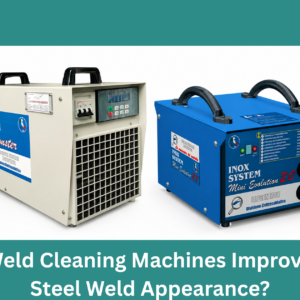
To learn more, click: How Can Weld Cleaning Machines Improve Stainless Steel Weld Appearance?

Related Posts