The manufacturing sector in the UAE is undergoing a major transformation driven by technology, innovation, and automation. As industries aim to improve efficiency, reduce operational costs, and meet global quality standards, smart manufacturing has become the future of industrial growth. Among the many technologies shaping this evolution, welding automation products are playing a critical role in redefining production processes across various sectors.
From construction and oil & gas to automotive and heavy fabrication, businesses in the UAE are increasingly investing in advanced welding automation solutions to stay competitive in a rapidly changing industrial environment. Welding automation is no longer considered a luxury for large factories—it has become a necessity for businesses seeking precision, speed, and long-term productivity.
Understanding Smart Manufacturing
Smart manufacturing refers to the use of advanced technologies such as automation, robotics, artificial intelligence, and data-driven systems to optimize industrial operations. The goal is to create highly efficient production environments where machines, systems, and operators work together seamlessly.
In the UAE, smart manufacturing aligns with the country’s vision of industrial innovation and economic diversification. Industries are adopting automated systems to improve production quality, reduce waste, and increase operational efficiency.
Welding automation products are a major part of this transformation because welding remains one of the most essential processes in manufacturing and metal fabrication industries.
What Are Welding Automation Products?
Welding automation products are systems and equipment designed to automate welding tasks with minimal human intervention. These products include:
- Automated welding machines
- Welding rotators
- Welding manipulators
- Welding positioners
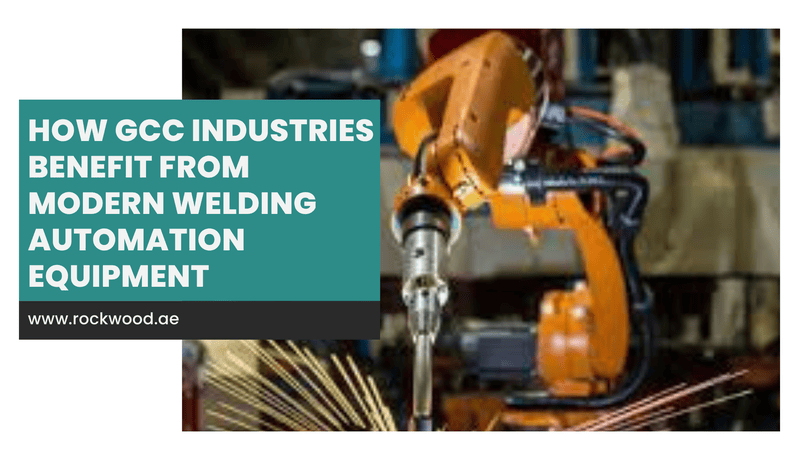
- Robotic welding systems
- Seam welding machines
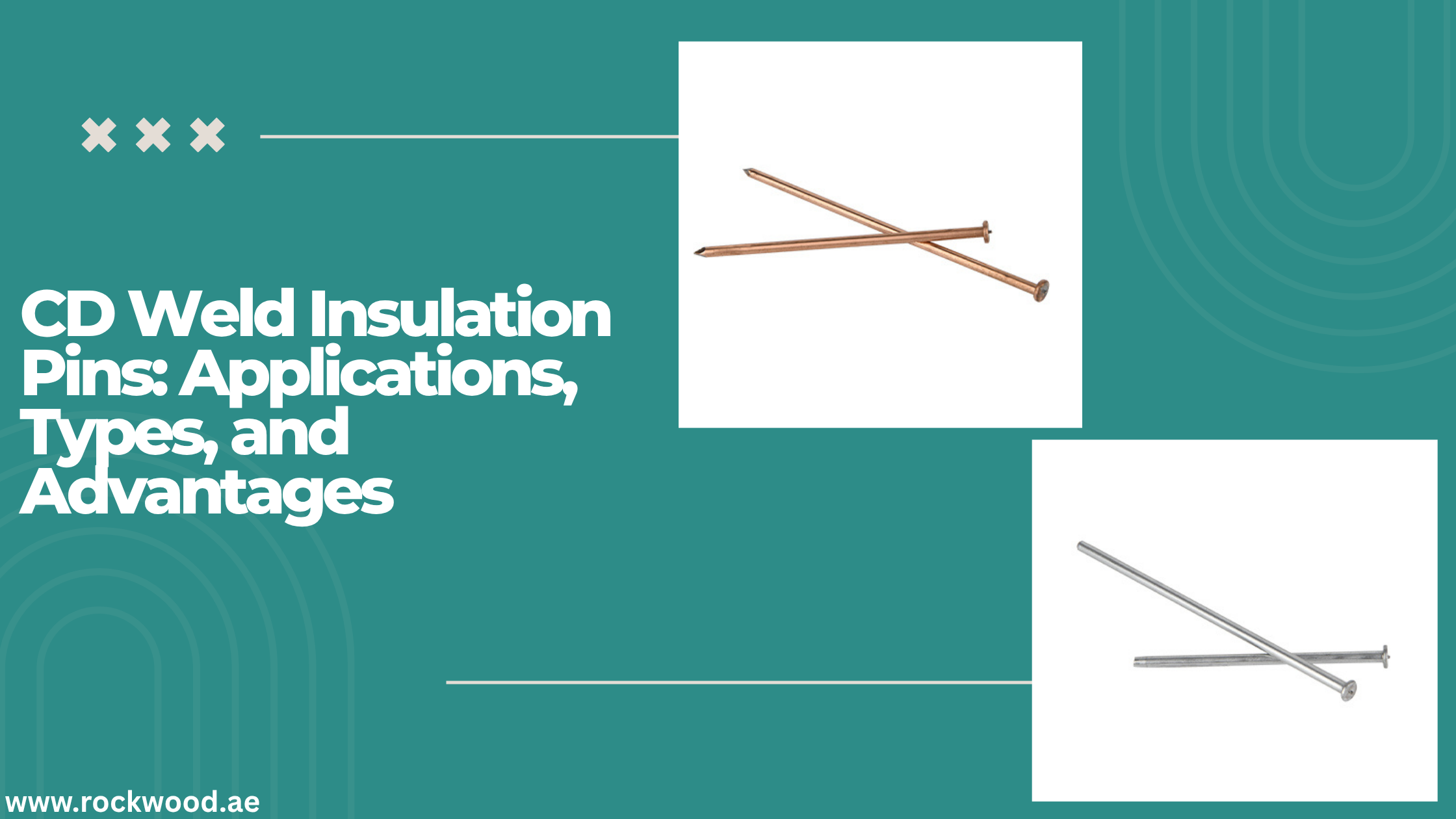
- Stud welding systems
- CNC-controlled welding equipment
These technologies help industries perform welding operations faster, more accurately, and more consistently than traditional manual welding methods.
Why Welding Automation Is Growing in UAE
The demand for welding automation products in UAE has increased significantly due to the rapid growth of infrastructure, industrial manufacturing, and large-scale engineering projects.
Increasing Industrial Projects
The UAE continues to invest heavily in construction, renewable energy, oil and gas, transportation, and infrastructure development. Large projects require high-quality welding with strict safety and precision standards.
Automation helps industries handle large production volumes while maintaining consistent welding quality.
Labor Efficiency
Manual welding often requires skilled labor, long working hours, and continuous supervision. Welding automation products reduce dependency on manual processes and help businesses improve workforce productivity.
Automated systems can operate continuously with minimal interruptions, leading to faster project completion.
Precision and Quality Control
Industries today require flawless welding results to meet international manufacturing standards. Welding automation equipment supplier in UAE highly accurate welds with consistent quality across every production cycle.
This is especially important for sectors such as aerospace, oil and gas, and structural steel fabrication, where welding precision directly impacts safety and durability.
Benefits of Welding Automation Products
Improved Productivity
One of the biggest advantages of welding automation is increased production efficiency. Automated systems can complete repetitive welding tasks much faster than manual methods.
This allows businesses to:
- Increase output
- Meet project deadlines
- Reduce production bottlenecks
- Improve workflow management
In highly competitive UAE industries, faster production often leads to higher profitability.
Enhanced Workplace Safety
Welding environments can expose workers to heat, fumes, sparks, and hazardous conditions. Automation minimizes direct human exposure to dangerous welding operations.
By improving workplace safety, businesses can reduce accidents and create healthier working conditions for employees.
Reduced Operational Costs
Although the initial investment in welding automation equipment may seem high, businesses benefit from long-term cost savings through:
- Lower labor expenses
- Reduced material waste
- Fewer production errors
- Minimal rework
- Lower downtime
The return on investment becomes highly valuable over time.
Consistent Welding Quality
Unlike manual welding, automated systems deliver uniform welds every time. This consistency improves product reliability and reduces quality control issues.
Consistent welding quality also helps businesses strengthen their reputation in local and international markets.
The Role of Robotics in Future Manufacturing
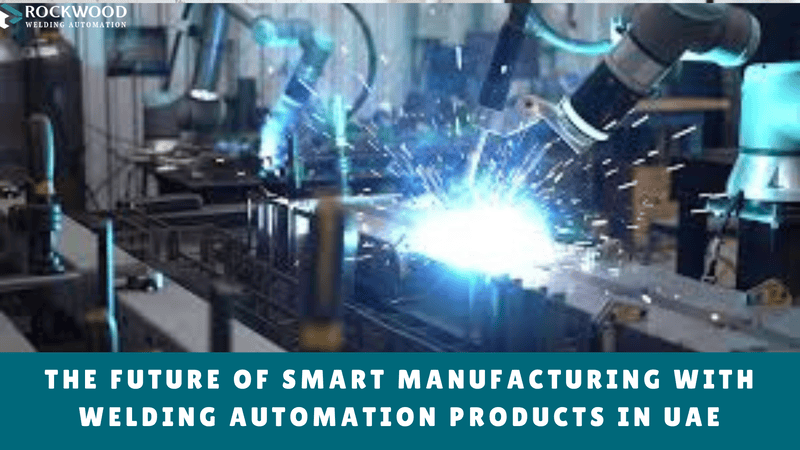
Robotic welding systems are becoming an important part of smart manufacturing in UAE industries. These systems combine robotics, sensors, and software integration to perform highly complex welding operations automatically.
Modern robotic welding systems can:
- Detect welding paths accurately
- Adjust welding parameters automatically
- Operate continuously for long hours
- Improve precision in difficult applications
As artificial intelligence and machine learning continue to evolve, robotic welding technologies are expected to become even more advanced in the future.
Industries Benefiting from Welding Automation in UAE
Construction Industry
Structural steel fabrication and infrastructure projects rely heavily on automated welding systems for speed and consistency.
Oil and Gas Sector
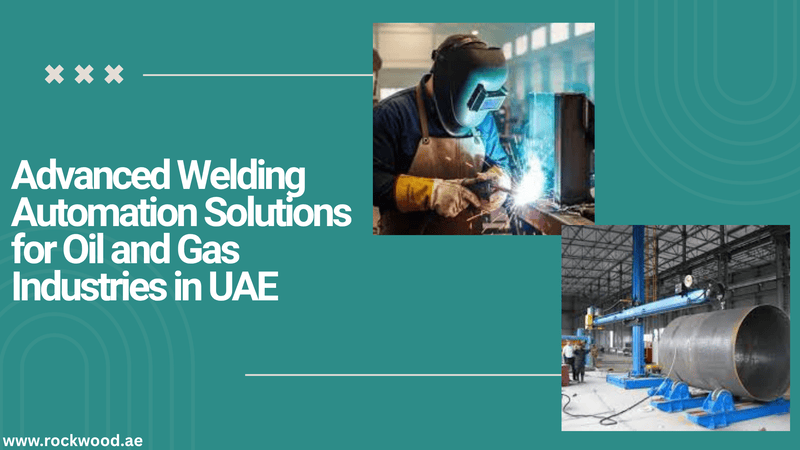
Pipeline welding and heavy equipment manufacturing require precision welding that can withstand harsh operating conditions.
Automotive Industry
Automated welding improves production speed and ensures consistent quality in vehicle manufacturing.
Shipbuilding and Marine Engineering
Large marine structures require durable and accurate welding solutions that automation can provide efficiently.
Heavy Manufacturing
Industrial machinery and metal fabrication companies benefit from increased productivity and reduced operational costs.
Challenges and Future Opportunities
While welding automation offers significant advantages, businesses must also consider factors such as training, equipment integration, and maintenance requirements. Skilled technicians are still needed to program, monitor, and maintain automated systems.
However, the future opportunities far outweigh these challenges. As UAE industries continue adopting technologies, demand for smart welding solutions will continue to grow.
Businesses investing early in welding automation products will gain a competitive advantage through improved productivity, better quality control, and enhanced operational efficiency.
Conclusion
The future of smart manufacturing in UAE is closely connected to automation and advanced industrial technologies. Welding automation products are helping industries achieve higher productivity, superior welding quality, and long-term operational efficiency.
As manufacturing standards continue to evolve, businesses that adopt automated welding solutions will be better positioned to meet growing market demands and global quality expectations.
From robotic welding systems to automated stud welding equipment, the UAE industrial sector is rapidly moving toward a smarter and more efficient future. Investing in welding automation today is not just about improving production—it is about preparing businesses for the next generation of industrial innovation.
To learn more, click: Cost vs Performance: Are Perforated Base Pins Worth It?

Related Posts