The construction and infrastructure sectors in the UAE continue to grow rapidly, driven by large-scale commercial developments, industrial facilities, and transportation projects. As modern structures become taller and more complex, engineers increasingly rely on advanced structural components that ensure strength, durability, and efficiency. One such critical component is the shear stud. Shear studs in UAE play a vital role in composite construction, where steel and concrete work together to create stronger and more efficient structural systems. In the UAE’s competitive construction environment, these components are widely used in buildings, bridges, and industrial projects. However, like any structural element, shear studs come with both advantages and potential challenges.
What Are Shear Studs?
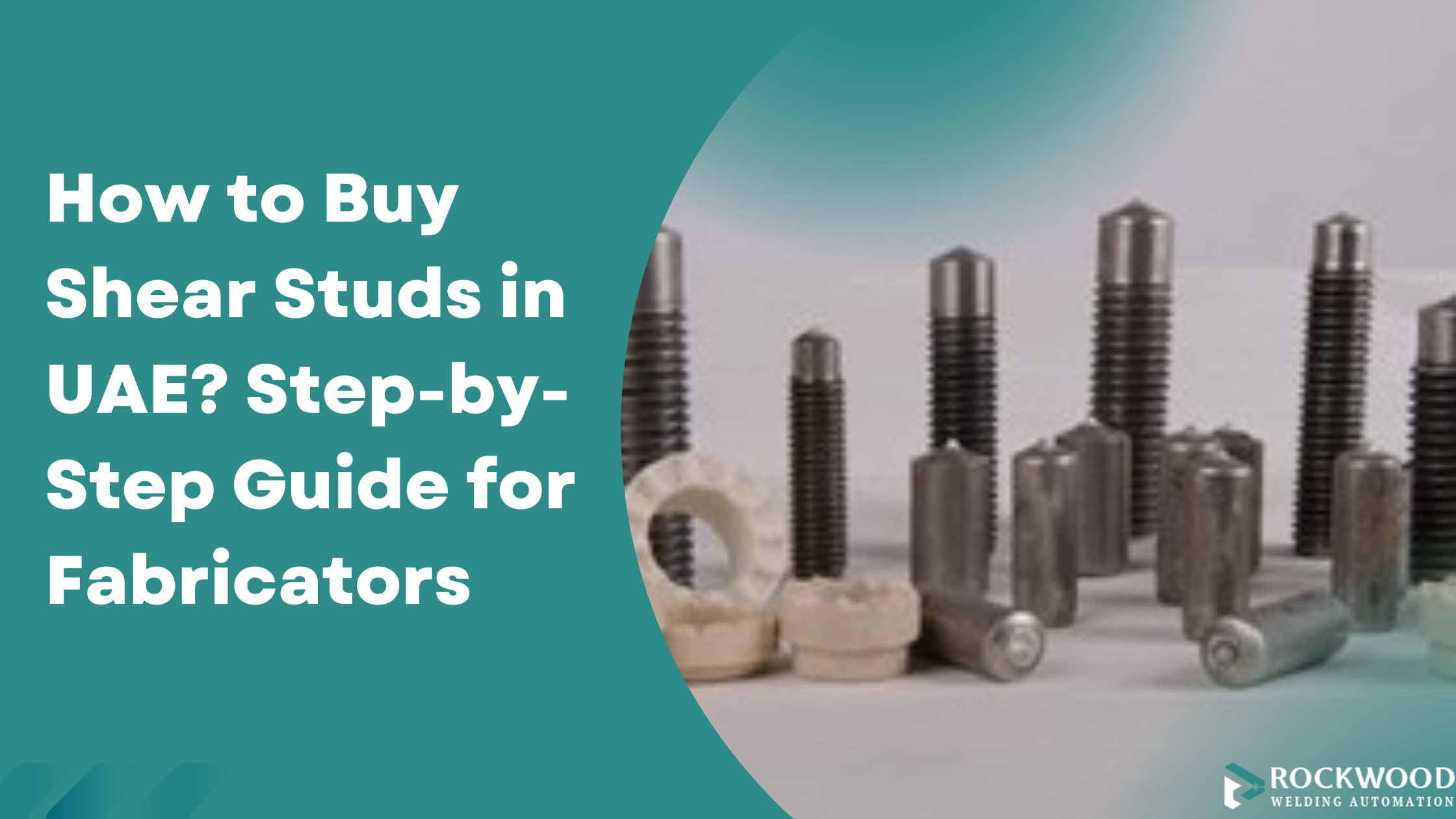
Shear studs, often referred to as headed studs, are specialized fasteners used to connect steel beams with concrete slabs. These connectors are typically welded onto the top flange of a steel beam using a stud welding machine. Once welded, concrete is poured over the beam, embedding the studs within the slab.
This process allows the steel beam and concrete slab to function as a single composite unit. The studs transfer horizontal shear forces between the two materials, preventing slippage and significantly improving the structural performance of the building.
Shear studs in UAE are commonly manufactured from high-strength carbon steel, though stainless steel or galvanized variants may be used depending on the environment. In coastal areas such as many parts of the UAE, corrosion-resistant materials are often preferred to ensure long-term durability.
Key Applications of Shear Studs in the UAE
Shear studs are widely used across multiple industries due to their ability to improve load distribution and structural stability.
High-Rise Buildings and Commercial Towers
The UAE is home to some of the world’s tallest skyscrapers and modern commercial buildings. Composite floor systems using shear studs allow engineers to create lighter and stronger structural frameworks. By connecting steel beams to concrete slabs, shear studs enhance load capacity while reducing overall material usage.
Bridge Construction and Infrastructure Projects
Bridges and transport infrastructure require strong connections between structural components to withstand heavy loads and continuous traffic movement. Shear studs in UAE are commonly used to attach bridge decks to steel girders, improving structural stiffness and reducing deflection.
Industrial Facilities and Warehouses
Large industrial facilities and manufacturing plants often use steel structures for flexibility and strength. Shear studs help create composite floors that support heavy machinery, storage racks, and production equipment.
Oil, Gas, and Marine Structures
In offshore platforms and marine infrastructure, structural reliability is crucial. Shear studs help strengthen steel structures and maintain stability in demanding environments.
The Role of Stud Welding and Welding Automation
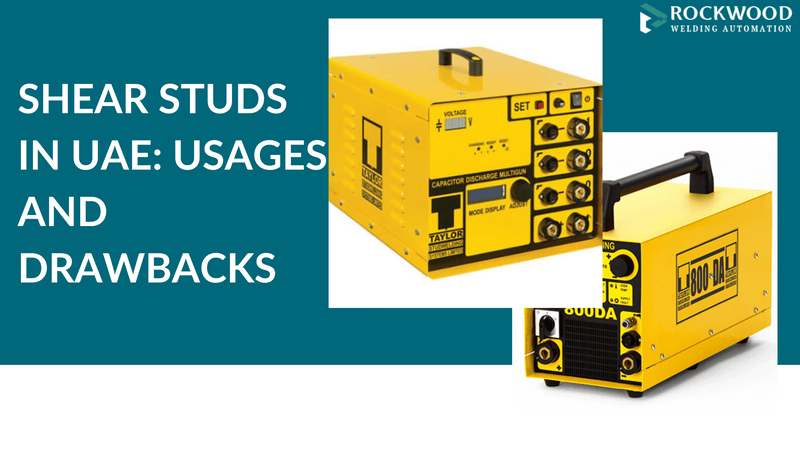
The installation of shear studs is performed using a process known as arc stud welding. This process involves placing a stud in a welding gun, creating an electric arc between the stud and the steel surface, and then fusing the two materials together. The process is extremely fast, often taking only a fraction of a second for each weld.
In large construction or fabrication projects, welding automation plays a significant role in improving efficiency and quality. Automated stud welding systems ensure consistent weld quality, reduce operator errors, and significantly increase installation speed.
Modern welding automation solutions used in fabrication workshops include automated stud welding machines, flux ball fixing machines for stud production, and robotic welding systems. These technologies help manufacturers and construction companies maintain precision and productivity, especially when handling high-volume projects.
Major Advantages of Using Shear Studs
Shear studs provide several benefits that make them a preferred choice in composite construction systems.
Improved Structural Strength
The primary function of shear studs is to create composite action between steel and concrete. This significantly increases the load-bearing capacity of structures and improves overall stability.
Efficient Load Transfer
Shear studs in UAE enable the effective transfer of forces between steel beams and concrete slabs. This prevents structural movement and ensures better performance under heavy loads.
Faster Construction Process
Compared with traditional bolted connections, stud welding is significantly faster. This allows contractors to complete structural work more quickly and reduce overall construction timelines.
Cost Efficiency
By enabling composite construction, shear studs allow engineers to design structures that use less steel while maintaining strength. This leads to material savings and cost-effective construction solutions.
Drawbacks and Challenges of Shear Studs
Despite their advantages, shear studs also present certain challenges that must be addressed during design and installation.
Dependence on Welding Quality
The performance of shear studs in UAE heavily depends on the quality of the welding process. Poor welding can weaken the connection and compromise structural integrity. This is why skilled operators and reliable welding equipment are essential.
Corrosion Risks
In environments with high humidity or exposure to saltwater, such as coastal regions of the UAE, corrosion can become a concern. Using galvanized or stainless steel studs can help reduce this risk.
Installation Errors
Improper stud spacing, incorrect alignment, or poor surface preparation can affect the performance of shear studs. Careful planning and adherence to engineering specifications are necessary to avoid such issues.
Equipment Investment
Stud welding equipment and automation systems require an initial investment. However, for large-scale projects, the efficiency and productivity benefits typically outweigh the initial cost.
Best Practices for Reliable Shear Stud Installation
To ensure the long-term performance of shear studs, construction companies should follow proper installation procedures. Steel surfaces must be cleaned before welding to ensure a strong bond. Stud placement should follow engineering design specifications, including correct spacing and alignment.
Quality inspections are also essential. Welds are typically checked through visual inspections and bend tests to confirm that the studs are securely attached.
Conclusion
Shear studs have become an essential component in modern construction projects across the UAE. Their ability to connect steel and concrete into a unified structural system helps improve strength, efficiency, and cost-effectiveness in buildings and infrastructure.
However, achieving the best results requires proper installation techniques, high-quality materials, and reliable welding processes. With the growing adoption of welding automation technologies, manufacturers and contractors can ensure consistent, high-quality stud welding that meets the demands of large-scale construction projects in the region.
As the UAE continues to invest in advanced infrastructure and industrial development, the role of shear studs and automated welding solutions will only become more significant in shaping the future of construction.
To learn more, click: Essential Tips to Consider When Choosing Welding Automation Equipment in UAE

Related Posts