Over the past decade, the United Arab Emirates has transformed its industrial landscape, expanding beyond oil and gas into infrastructure, aerospace, automotive, and heavy fabrication. Alongside this evolution, welding automation has emerged from a niche technology to a strategic imperative for manufacturers striving for quality, speed, and operational excellence. As companies modernize their operations, welding automation—powered by robotics, smart systems, and data analytics—is reshaping how fabrication is done in the UAE today.
Welding Automation Today: Industry Snapshot
The adoption of welding automation reflects broader global trends toward smart manufacturing. Across key sectors such as steel fabrication, construction, and energy equipment manufacturing, automated and robotic welding systems are increasingly preferred for their consistency and reliability. Welding equipment suppliers in the UAE, automated systems hold a revenue share of over 50% due to their precision and efficiency benefits in large-scale projects.
Both small and large manufacturers recognize that automation minimizes dependency on manual skill alone, shortens cycle times, and supports new production paradigms where speed and quality define competitiveness. Automated solutions—from robotic arms to CNC weld cells—are now integral to production lines rather than optional add-ons.
Core Technologies Powering Welding Automation
At the heart of welding automation are advanced technologies that extend far beyond traditional machines:
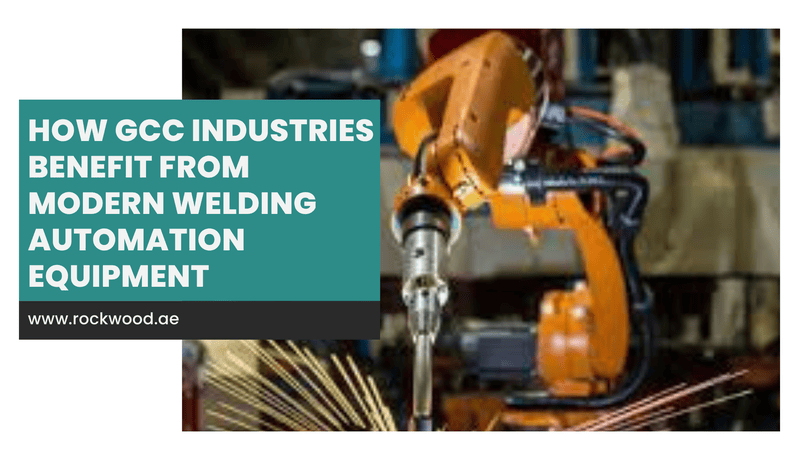
- Robotic Welding Systems: Multi-axis robotic arms that deliver high-speed, repeatable welding with programmable precision.
- Smart Sensor Integration: Arc stability, heat input, and weld quality are monitored in real time with integrated smart sensor technology.
- AI and Adaptive Control: A system that uses AI and adaptive control to dynamically change the welding parameters based on the characteristics of the material and the joint configuration.
- Collaborative Robots (Cobots): Flexible solutions that operate alongside human workers for mixed production tasks.
These technologies enable manufacturers to execute complex welds with uniform quality—often achieving ±0.1 mm accuracy and dramatically reducing defects and re-work needs.
Impact on Productivity, Quality & Safety
Welding automation delivers tangible, measurable benefits:
- Productivity Gains: Automated systems work continuously, shrink cycle times, and boost throughput. Some intelligent welding setups report up to 50% faster production rates compared to traditional processes.
- Enhanced Quality: Consistent weld profiles, real-time feedback, and automated parameter control reduce defect rates and re-work by significant margins.
- Safety Improvements: Automation removes operators from hazardous environments, minimizing exposure to high heat, fumes, and repetitive strain.
- Cost Efficiency: Over time, automation cuts labor costs, reduces material waste, and shortens payback periods—often to within a few years depending on the deployment scale.
Key Industry Sectors Driving Demand
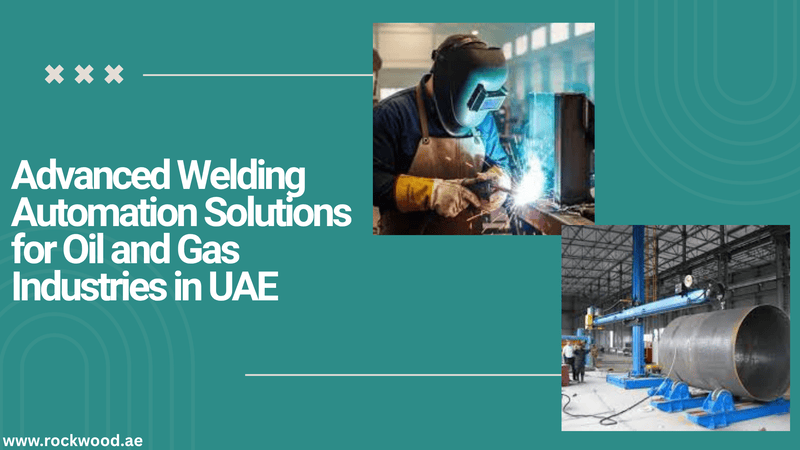
Oil & Gas and Petrochemicals: These sectors require weld quality that meets strict international standards—making automation particularly valuable for pipelines, pressure vessels, and structural components.
Construction & Infrastructure: As the UAE pursues ambitious megaprojects, automated welding ensures faster and more reliable fabrication of structural steel and architectural elements.
Shipbuilding & Offshore Fabrication: Large, complex components benefit from automated manipulators and robotics that maintain consistent weld quality over long seams.
Automotive and Advanced Manufacturing: While still growing locally, manufacturers adopting EV and precision components look to automation for high-volume, high-accuracy welding.
Workforce Transformation: Human + Machine
Contrary to the misconception that automation displaces labor, welding automation is augmenting human capability. Skilled workers are transitioning to higher-value roles—programming robots, managing automated cells, analyzing data, and ensuring process optimization. Training initiatives and upskilling programs are essential to help workshop teams adapt to emerging technologies, ensuring that human expertise complements machine precision.
Challenges & Solutions in Implementing Welding Automation
Like any transformative technology, welding automation presents challenges:
- Barriers to Entry Due to High Initial Investment: The high cost of entry for small to mid-sized enterprises (SMEs) to adopt Automated Welding Technologies can be prohibitive. Financing options, leasing models, and phased automation plans can mitigate this.
- Integration Complexity: Retrofitting older production lines often requires engineering expertise. Partnering with experienced integrators helps reduce disruption and achieve seamless automation deployment.
- Skills Shortages: Demand for technicians with both welding and robotics knowledge is rising. Relying on the creation of in-house training programs or collaborating with a technical educational institution will create an adequate talent pool.
Regulatory and Quality Standards
In regulated industries like oil & gas, aerospace, and infrastructure fabrication, compliance with international quality standards (e.g., ISO and AWS protocols) is critical. Automation supports compliance by maintaining repeatable welding parameters, enabling the creation of traceable quality records and ensuring consistent audit readiness.
Future Outlook: What’s Next for Welding Automation in the UAE
Welding equipment supplier in the UAE will be an important part of the country’s digital transformation strategy.
- Industry Integration: Welding systems will increasingly connect to IoT networks, enabling predictive maintenance, remote diagnostics, and real-time process analytics.
- Optimizing with AI: With the advancement of machine learning, AI technologies will be able to provide machine tools with further improvements in the adaptive welding process and reduction in the defect rate, as well as better use of energy.
- Sustainability Focus: Energy-efficient automated machines reduce waste and support sustainability goals in manufacturing operations.
Global forecasts indicate strong growth for the welding robotics market, which is expected to nearly double in size over the next decade—underscoring the increasing reliance on automation solutions across various industries.
Conclusion: Welding Automation as a Strategic Investment
For UAE manufacturers aiming to remain competitive, welding automation tools are no longer a future aspiration—it’s a strategic necessity. By boosting productivity, improving quality, and enhancing safety, automated welding systems offer measurable returns and position companies to thrive in a rapidly modernizing industrial landscape.
If your business is ready to explore customized welding automation solutions, partnering with experienced automation integrators can help you unlock efficiency gains and future-proof your workshop operations.
To read more, click: Exploring the Techniques That Make Welding Manipulators Essential in the UAE

Related Posts